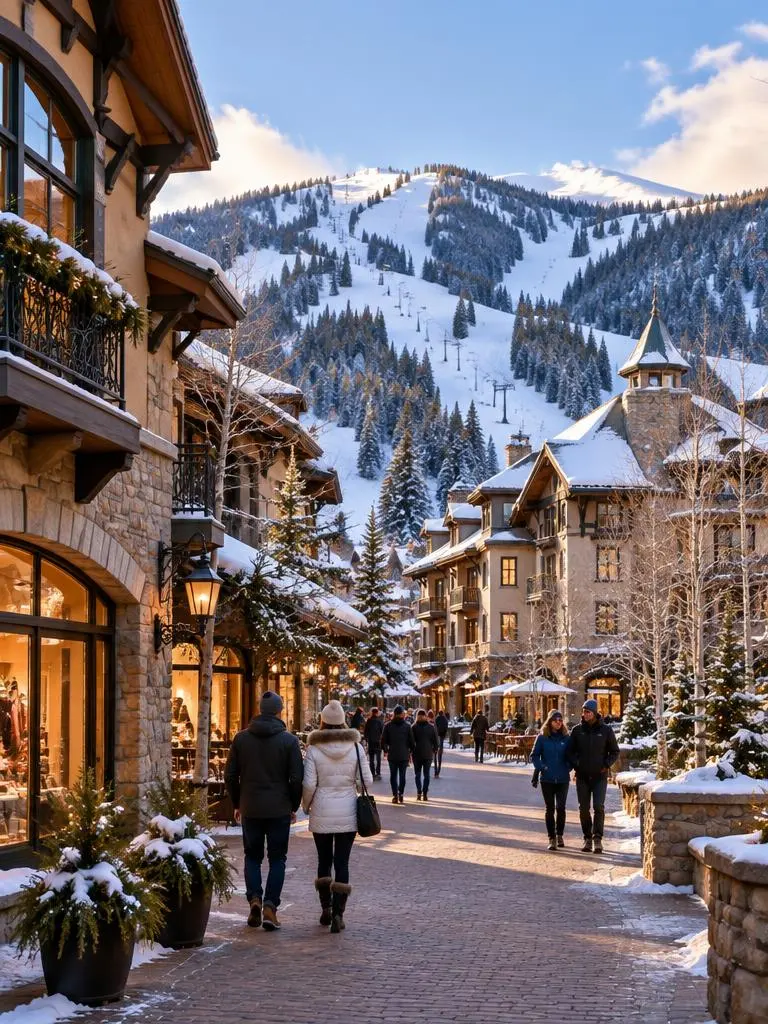
Vail Valley mountain guide
Living in Vail: Homes, Villages, Ski Access, and Mountain Luxury
European-style villages, world-class skiing, luxury homes, and a layered mountain market that goes far beyond the postcard version.
Vail is one of the most recognized mountain real estate markets in Colorado, but it is not defined by one ownership pattern. The area includes pedestrian resort villages, slopeside enclaves, quiet residential pockets, hillside homes with views, creekside neighborhoods, and more practical west-side options that broaden the market well beyond classic ski-in, ski-out luxury. For buyers considering Vail, the real question is usually not whether the town is desirable, but which version of Vail lifestyle fits best: walkable village energy, direct ski access, year-round family use, quieter alpine living, or a more serviceable base with easier daily logistics.
Why buyers love it
Why Buyers Love Vail
It combines global reputation with real lifestyle depth
Vail is known worldwide for skiing, but the strength of the market comes from more than the mountain alone. The villages, Gore Creek setting, trail access, architecture, events, dining, and year-round atmosphere create a deeper ownership story than many resort towns can offer.
There are multiple ownership lanes
Some buyers want Vail Village or Lionshead for walkability and gondola access. Others are drawn to Cascade, East Vail, West Vail, Potato Patch, or Sandstone for a quieter residential feel, stronger privacy, broader home choices, or a different value equation.
Vail works in more than one season
Although winter drives much of the demand, Vail also appeals strongly in summer and fall through hiking, biking, creekside trails, events, and mountain-town living that feels active outside ski season too.
Local perspective
Homes, Architecture & Neighborhood Character
Vail includes one of the broadest sets of micro-markets in the mountain corridor. In the village cores, buyers find luxury condos, managed residences, hotel-style ownership, and highly amenitized resort properties tied directly to walkability and ski access. In surrounding neighborhoods, the market expands to include townhomes, hillside residences, detached homes, creekside properties, and full-time-oriented residential pockets.
That variation is one of the most important things buyers need to understand. Vail Village and Lionshead are not the same experience as East Vail, West Vail, Cascade Village, or Sandstone, even though all fall under the same town name. A good Vail search is less about “buying in Vail” generally and more about matching the right neighborhood lane to how the property will really be used.
Market snapshot
Vail Market Snapshot
Vail tends to attract buyers looking for premium ski access, walkable village ownership, luxury second homes, and year-round mountain lifestyle value, so pricing and competition can vary dramatically between village-core residences, slopeside enclaves, and quieter residential neighborhoods.
Median sale price
Ask Laura for the current figure
Days on market
Ask Laura for the current figure
List-to-sale ratio
Ask Laura for the current figure
Year-over-year movement
Ask Laura for the current figure
Reporting period
Ask Laura for the current figure
Source
Ask Laura for the current figure
Everyday Vail
Villages, Dining & Daily Life
Vail Village is the iconic resort core
Vail Village is centered around pedestrian streets, Gondola One, boutiques, fine dining, and the highest concentration of classic resort energy. It is the version of Vail most buyers picture first, and for some it is exactly right.
Lionshead adds similar access with a slightly different feel
Lionshead also offers a pedestrian village experience, with strong walkability and gondola access anchored by the Eagle Bahn Gondola. Buyers often compare the two based on building stock, ownership style, and where they want to be in relation to activity and access.
Beyond the villages, life gets more residential
Outside the core, Vail shifts into quieter pockets where buyers can gain more space, privacy, trail access, or daily practicality while still staying connected to the mountain and villages. That layered structure is part of what makes Vail such a durable market.
Around the neighborhood
Ski Access, Trails & Recreation
Ski access is one of the market’s defining features
For many buyers, Vail’s ski access is the central draw. Village-core ownership, certain slopeside areas, and select resort enclaves support the kind of direct mountain use that defines premium ski-property demand.
Trail access matters too
Vail is not just about winter. East Vail, Booth Creek, and other residential sections appeal to buyers who value trailheads, Gore Creek, and a stronger connection to summer and shoulder-season recreation.
Year-round use shapes long-term appeal
Owners who want a home that feels meaningful outside ski season often see Vail as more than a resort purchase. The blend of hiking, biking, events, dining, and village atmosphere supports wider use throughout the year.
Finding the right fit
Neighborhood Fit Inside Vail
Vail Village and Lionshead
Best for buyers prioritizing walkability, ski access, dining, events, and classic resort-core ownership. These areas are often the strongest match for buyers who want the full village experience right outside the door.
Cascade Village
Often a good middle ground for buyers who want slopeside proximity with a quieter feel than the busiest core areas. It can appeal to owners who still want mountain access without the density of the main villages.
East Vail and Booth Creek
These areas often attract buyers who want more residential calm, stronger trail access, Gore Creek setting, and a fuller-time mountain-living feel. They can be especially attractive to people who care as much about alpine living as they do about village access.
West Vail, Matterhorn, and Intermountain
These areas are often more practical and service-oriented in day-to-day use, with a broader mix of ownership types and easier access to certain everyday needs. For some buyers, they offer a more functional version of Vail living.
Buyer considerations
Schools & Family Considerations
Vail can work for both second-home buyers and families considering fuller-time mountain living, but the neighborhood fit matters a great deal. Buyers with children often look more closely at the quieter residential sections of town rather than focusing only on the resort core.
For families, the appeal is often a combination of scenery, recreation, access to trails and community assets, and the ability to choose between more active village areas and calmer residential settings. As always, school considerations should be evaluated by exact address, district boundaries, and household priorities.
Getting around
Commute, Access & Location
Vail is broader than the village postcard
One of the biggest misconceptions buyers have is treating Vail as one compact resort core. In reality, neighborhood location affects drive times, bus access, walkability, ski convenience, and even how often an owner will use the home.
The in-town bus system adds flexibility
Vail’s free in-town bus system helps connect the villages with surrounding neighborhoods, which can make car-light living more realistic in some parts of town. That is a meaningful advantage for buyers who want flexibility without always being in the core.
What buyers should think about first
The best first question in Vail is usually not price, but use pattern. Buyers should start by deciding whether they care most about walkability, slopeside convenience, privacy, residential calm, or everyday practicality, because those priorities drive the right neighborhood faster than anything else.
Comparing nearby areas
Vail Compared With Nearby Mountain Markets
Vail vs. Beaver Creek
Vail is broader, busier, and more layered, with multiple neighborhood identities and a stronger sense of town complexity. Beaver Creek is more polished, more contained, and more explicitly service-oriented.
Vail vs. Breckenridge
Breckenridge often feels more historic and Main-Street-driven, while Vail feels more globally recognized, more luxury-forward, and more segmented by resort-core versus residential ownership lanes.
Vail vs. Frisco
Frisco is more practical, more central within Summit County, and more grounded in everyday town life, while Vail is more resort-luxury-oriented and more influenced by premium ski-market dynamics.
Common questions
Vail FAQs
Browse Active Vail Listings
See what is available in Vail right now, and let Laura help you weigh the options in person.
Browse Active Vail ListingsConnect With Laura
Ask Laura about your Denver home search, goals, and next steps.