Denver neighborhood guide
Living Near Union Station: Real Estate, Walkability, and Downtown Denver Lifestyle
Luxury condos, unbeatable transit access, walkable dining, and a polished downtown lifestyle centered around one of Denver’s most iconic landmarks.
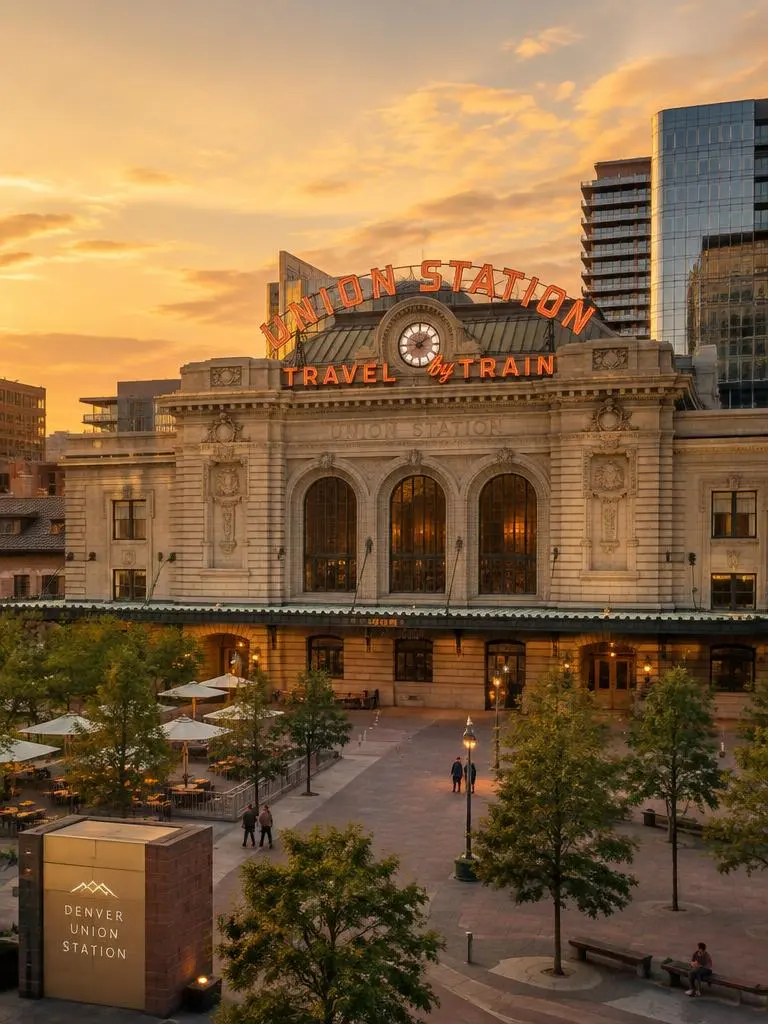
Union Station is one of the most connected and recognizable parts of downtown Denver, blending historic architecture, luxury residences, hotels, restaurants, rail access, and some of the city’s strongest walkability. For buyers who want a polished urban lifestyle with direct transit access, everyday convenience, and a location that feels central to everything, the Union Station area offers a distinctly elevated version of downtown living. It combines movement, hospitality, and neighborhood energy in a way very few Denver districts can match.
Why buyers love it
Why Buyers Love Union Station
Denver’s most connected downtown location
Union Station stands out for buyers who want immediate access to rail, transit, downtown streets, and a central location that makes daily movement easier. It is one of the strongest fit options for buyers who prioritize convenience, airport access, and flexibility in how they get around.
Historic landmark, modern lifestyle
The neighborhood benefits from the iconic presence of Denver Union Station itself, which gives the area architectural character and a real sense of place. It feels polished and destination-worthy, but still works as part of everyday life for nearby residents.
Walkable, polished, and amenity-rich
This is one of the best downtown options for buyers who want restaurants, coffee, boutique retail, hotels, and entertainment within a few blocks. The area feels active and urban, but generally more refined and hospitality-oriented than some other nightlife-heavy parts of downtown.
Local perspective
Homes, Architecture & Neighborhood Character
Union Station area real estate is defined primarily by condos, luxury residences, loft-style living, and newer high-rise or mid-rise residential buildings integrated into the downtown core. Compared with more residential neighborhoods, detached homes are not the draw here. Buyers are usually choosing Union Station for walkability, lock-and-leave ease, building amenities, and central-city convenience.
Architecturally, the appeal comes from the contrast between the restored historic station district and surrounding modern residential development. Some buyers love the classic architecture and civic presence of the station itself, while others are drawn to newer glass towers and upscale condo buildings nearby. Together, they create a downtown pocket that feels more polished and destination-oriented than many other urban submarkets.
Market snapshot
Union Station Market Snapshot
The Union Station area tends to attract buyers who value downtown convenience, transit access, attached housing, and a polished urban lifestyle, so pricing and competition here often reflect both location and building-level amenities.
Median sale price
Ask Laura for the current figure
Days on market
Ask Laura for the current figure
List-to-sale ratio
Ask Laura for the current figure
Year-over-year movement
Ask Laura for the current figure
Reporting period
Ask Laura for the current figure
Source
Ask Laura for the current figure
Everyday Union Station
Restaurants, Coffee, Shopping & Everyday Conveniences
Dining is built into the neighborhood
The Union Station area puts buyers close to some of downtown Denver’s most established dining and hospitality destinations, with restaurants, bars, cafés, and gathering spaces woven into everyday life. It works especially well for buyers who want to entertain, meet clients, or enjoy a social lifestyle without leaving the neighborhood.
Hospitality and residential life overlap here
One of the defining characteristics of Union Station is how seamlessly hotels, restaurants, boutique retail, and residential buildings exist together. That gives the neighborhood a polished, active feel throughout the day and evening, rather than only during work hours.
Daily convenience without constant driving
For many buyers, Union Station is appealing because groceries, coffee, transit, and entertainment are all close at hand. It supports a lifestyle where a car becomes optional for many errands and outings rather than essential for every trip.
Around the neighborhood
Parks, Recreation & Outdoor Access
Downtown access with nearby river connections
While Union Station is more urban than park-centered, it benefits from easy access to nearby public space and the Platte River / Confluence Park area beyond the immediate district. Buyers still get some outdoor access, but it functions more as an extension of downtown walkability than as a suburban-style green space experience.
Built for movement
This area works especially well for buyers who walk frequently, use transit, and value being able to move easily through the city without a long daily drive. In Union Station, mobility itself is one of the lifestyle amenities.
A city-first lifestyle
Union Station is best for buyers who want downtown energy and convenience first, with nearby outdoor access as a bonus rather than the defining feature. It is a highly urban choice, and that is exactly the appeal for the right buyer.
Buyer considerations
Schools & Family Considerations
Union Station is usually a stronger fit for buyers prioritizing downtown convenience, attached housing, and a lock-and-leave urban lifestyle than for those specifically looking for a traditional family-neighborhood setup. It can still work well for some households, especially buyers who value centrality, transit, and lower-maintenance living, but school planning and day-to-day fit should always be evaluated carefully by address, building, and lifestyle priorities.
For buyers with children, the bigger questions here are often less about whether the location is “good” in a broad sense and more about whether a downtown residential lifestyle fits the way the household wants to live. Building amenities, parking, walkability, commute needs, and school assignment strategy all matter more here than they do in more traditional neighborhood searches.
Getting around
Commute, Access & Location
Transit is a defining advantage
Union Station is one of the best-connected places in Denver for rail, local transit, and regional access. It is the RTD hub, offers direct rail service to Denver International Airport, and gives residents access to buses, trains, and downtown connections in a way very few neighborhoods can match.
Ideal for buyers who want centrality
The neighborhood works especially well for buyers who want a short commute into the downtown core or easy access to business districts, sports venues, and cultural destinations. For professionals and frequent travelers, that kind of connectivity can be a major quality-of-life advantage.
What buyers should know about lifestyle fit
Union Station delivers convenience and polish, but it also comes with a busier downtown environment. Buyers should think carefully about building type, noise, parking, views, and whether they want a true urban core experience rather than a quieter residential rhythm.
Comparing nearby areas
Union Station Compared With Nearby Denver Neighborhoods
Union Station vs. LoDo
Union Station is part of the broader LoDo environment, but it usually feels more centered on transit, hospitality, and polished mixed-use living. LoDo as a whole covers a wider downtown district with more variation in building type, nightlife energy, and historic loft inventory.
Union Station vs. RiNo
RiNo tends to feel more arts-driven, industrial-conversion-oriented, and nightlife-forward, while Union Station feels more established, transit-connected, and hospitality-centered. Buyers deciding between them are often choosing between creative-edge energy and polished downtown convenience.
Union Station vs. Capitol Hill
Capitol Hill offers denser historic urban living with more residential layering, while Union Station is more polished, building-driven, and concentrated around downtown convenience and mobility.
Common questions
Union Station FAQs
Browse Active Union Station Listings
See what is available in Union Station right now, and let Laura help you weigh the options in person.
Browse Active Union Station ListingsConnect With Laura
Ask Laura about your Denver home search, goals, and next steps.