Denver neighborhood guide
Living in Capitol Hill: Real Estate, Lifestyle, and Local Insight
Capitol Hill is one of Denver’s most historic and urban neighborhoods, known for walkability, classic architecture, dense city living, cultural landmarks, and a broad mix of apartments, condos, and older residential buildings close to downtown. For buyers who want a true urban lifestyle with character, transit access, and some of Denver’s most recognizable historic streetscapes, Capitol Hill offers an energy that feels distinct from more residential neighborhoods. With easy access to downtown, Civic Center, museums, restaurants, and everyday conveniences, Capitol Hill continues to attract buyers who want to be in the middle of city life.
Why buyers love it
Why Buyers Love Capitol Hill
A true urban lifestyle
Capitol Hill appeals to buyers who want to live in a neighborhood where daily life can happen on foot. Restaurants, coffee, groceries, parks, and cultural destinations are all part of the appeal, and the neighborhood’s density supports that kind of routine.
Historic character at city scale
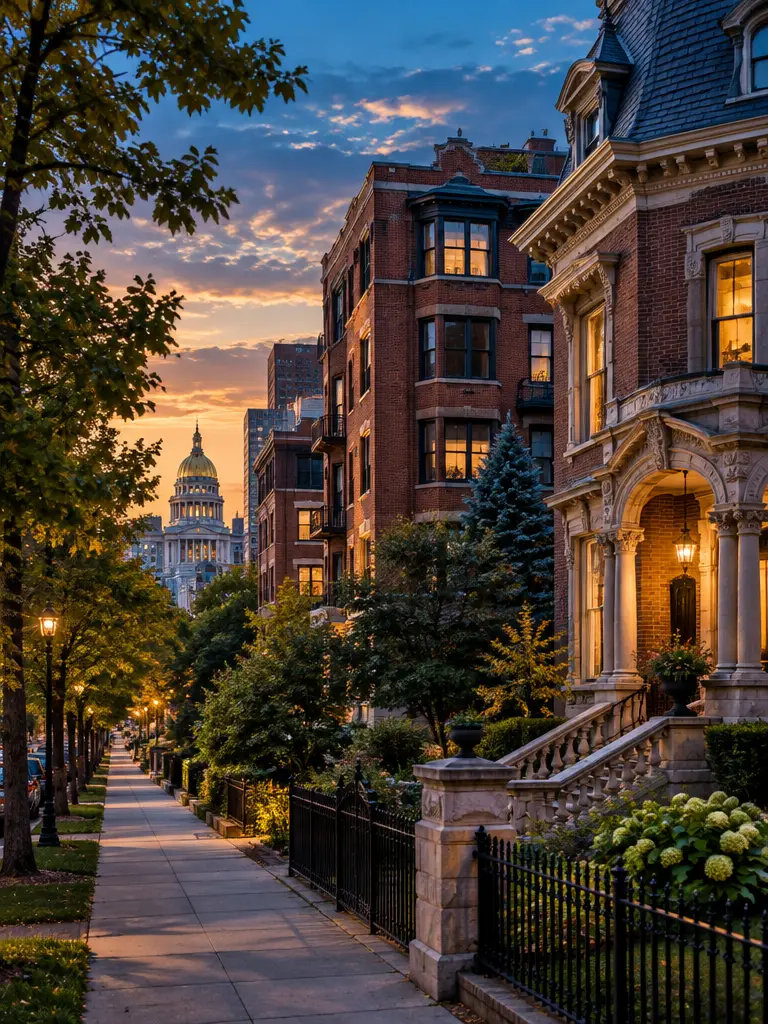
What makes Capitol Hill visually memorable is its mix of older mansions, apartment buildings, condo conversions, and varied architectural eras layered into a dense urban grid. It feels historic, but in a way that is inseparable from everyday city life.
One of Denver’s most connected neighborhoods
Capitol Hill attracts buyers who want access to downtown, transit, museums, Civic Center, and broader city amenities without relying entirely on a car. The location is one of the neighborhood’s biggest strengths.
Local perspective
Homes, Architecture & Neighborhood Character
Capitol Hill offers one of the most diverse urban housing mixes in Denver. Buyers will find historic mansions converted into multi-unit residences, older condo buildings, mid-century apartment structures, newer condos, townhomes, and a wide range of attached housing across the neighborhood. Compared with many other Denver neighborhoods, detached single-family inventory is much more limited here, which shapes both the buyer pool and the overall feel.
Architecturally, Capitol Hill is defined more by urban layering than by one signature home style. Tree-lined blocks, brick buildings, historic facades, dense residential streets, and cultural institutions all contribute to a neighborhood that feels both lived-in and unmistakably city-oriented. Buyers are usually choosing Capitol Hill for walkability, architecture, and centrality rather than yard space or a quieter residential pace.
Market snapshot
Capitol Hill Market Snapshot
Capitol Hill tends to attract buyers looking for walkability, central Denver access, historic character, and attached urban housing, so pricing and competition here can differ significantly from more single-family-oriented neighborhoods.
Median sale price
Ask Laura for the current figure
Days on market
Ask Laura for the current figure
List-to-sale ratio
Ask Laura for the current figure
Year-over-year movement
Ask Laura for the current figure
Reporting period
Ask Laura for the current figure
Source
Ask Laura for the current figure
Everyday Capitol Hill
Restaurants, Coffee, Shopping & Everyday Conveniences
Dense, practical, and highly walkable
Capitol Hill works well for buyers who want daily convenience built into the neighborhood. Groceries, coffee shops, restaurants, bars, pharmacies, and basic services are all more accessible on foot here than in many other parts of Denver.
Local flavor with real city energy
The neighborhood has a long-standing mix of casual restaurants, bars, music, coffee, and neighborhood-serving businesses that contribute to its everyday appeal. It feels urban and active, but not defined by one single commercial strip.
A lifestyle built around proximity
Buyers who choose Capitol Hill are often choosing convenience as much as architecture. The ability to live near downtown, run errands without constant driving, and stay close to cultural destinations is a major part of what makes the neighborhood work.
Around the neighborhood
Parks, Recreation & Outdoor Access
Close to Civic Center and central green space
Capitol Hill benefits from access to Civic Center Park and other nearby urban green spaces, which provide breathing room and public gathering places within a denser city setting.
More urban than outdoors-first
This is not typically a neighborhood people choose for large lots or park-centered living. Instead, the appeal is being able to pair city life with access to nearby public space, museums, and walkable daily routines.
Great for buyers who prioritize access
Capitol Hill works well for buyers who want city energy, culture, and convenience first, while still having enough nearby outdoor space to balance day-to-day life.
Buyer considerations
Schools & Family Considerations
Capitol Hill is usually a better fit for buyers prioritizing urban living than for those specifically searching for a traditional family-neighborhood setup. It is served by Denver Public Schools, but because the neighborhood is dense, housing types vary widely, and family expectations can differ significantly here, school planning should be approached carefully and by exact address and lifestyle priorities.
For some households, especially those who genuinely want an urban routine and attached housing, Capitol Hill can still be a practical choice.
Getting around
Commute, Access & Location
Right next to downtown
Capitol Hill sits immediately east and southeast of downtown Denver, which makes it highly practical for buyers who want close access to the city core.
Strong transit and walkability advantages
The neighborhood offers some of Denver’s strongest walkability and useful transit access, which is a major plus for buyers who want flexibility in how they get around.
What buyers should know about density
Capitol Hill’s convenience comes with a more urban day-to-day experience. Buyers should think about street parking, building type, noise levels, exact block feel, and whether they want to be on a quieter residential street or closer to more active corridors.
Comparing nearby areas
Capitol Hill Compared With Nearby Denver Neighborhoods
Capitol Hill and Uptown
Both offer central urban living, but Capitol Hill usually feels more historic, more layered, and more residentially dense, while Uptown often feels slightly newer and more corridor-focused.
Capitol Hill and Washington Park
Washington Park is a far more residential and park-centered neighborhood, while Capitol Hill is better suited to buyers who want density, architecture, and walkability close to downtown.
Capitol Hill and Cherry Creek
Cherry Creek tends to feel more polished, upscale, and retail-oriented, while Capitol Hill feels more historic, eclectic, and rooted in a denser city lifestyle.
Capitol Hill and Highlands
The Highlands offers more single-family character and a calmer neighborhood feel overall, while Capitol Hill is denser, more attached-housing-oriented, and more overtly urban.
Common questions
Capitol Hill FAQs
Browse Active Capitol Hill Listings
See what is available in Capitol Hill right now, and let Laura help you weigh the options in person.
Browse Active Capitol Hill ListingsConnect With Laura
Ask Laura about your Denver home search, goals, and next steps.