Denver neighborhood guide
Living in Park Hill: Historic Homes, Mature Trees, and Established East Denver Living
One of Denver’s most established residential neighborhoods — wide streets, mature trees, historic homes, and a strong sense of neighborhood identity.
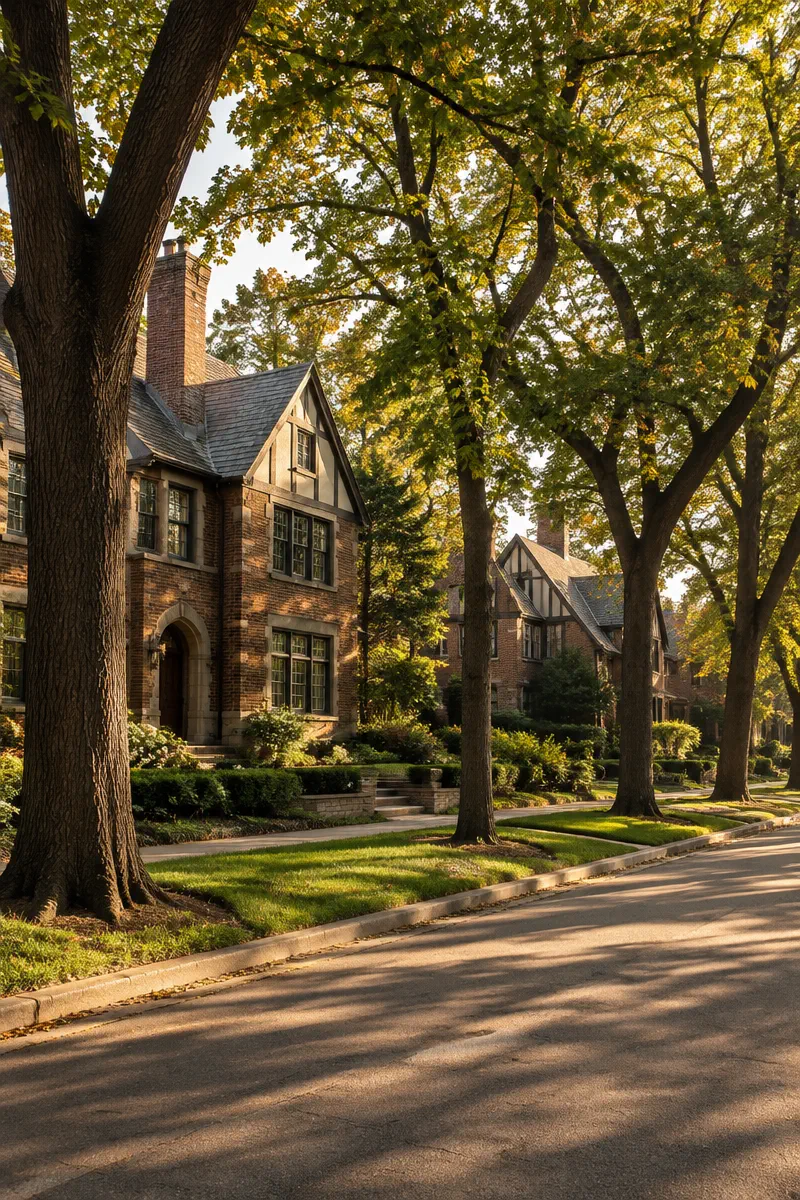
Park Hill has long been one of Denver’s most recognizable residential neighborhoods, and buyers are often drawn to it for its wide streets, mature trees, historic homes, and strong sense of neighborhood identity. It feels residential first, which is a big part of the appeal.
Why buyers love it
Why Buyers Love Park Hill
One of Denver’s most established residential neighborhoods
Park Hill has long been one of Denver’s most recognizable residential neighborhoods, and buyers are often drawn to it for its wide streets, mature trees, historic homes, and strong sense of neighborhood identity. It feels residential first, which is a big part of the appeal.
A strong balance of city access and neighborhood feel
For many buyers, Park Hill offers a central-eastern location without sacrificing the sense of living in a real neighborhood. It can feel calmer and more house-driven than trendier central areas while still keeping residents close to the rest of the city.
A classic Denver choice for long-term buyers
Park Hill often appeals to buyers who want character, larger homes or lots in some areas, and a neighborhood with long-standing reputation rather than novelty.
Local perspective
Homes, Architecture & Neighborhood Character
Park Hill is known for historic homes, brick residences, Tudors, Denver squares, ranches in some pockets, and a generally more established east Denver housing stock. The architectural consistency and block-by-block beauty are major reasons buyers continue to target the area.
Different parts of Park Hill can feel more stately, more family-oriented, or more connected to nearby parks and neighborhood institutions. Buyers usually benefit from understanding which part of Park Hill best fits their housing, school, and commute goals.
Market snapshot
Park Hill Market Snapshot
Park Hill tends to attract buyers who want a classic Denver neighborhood with strong residential identity, established homes, and good access to parks and central city destinations. It often appeals to families, professionals, and long-term buyers who value architecture and neighborhood reputation.
Median sale price
Ask Laura for the current figure
Days on market
Ask Laura for the current figure
List-to-sale ratio
Ask Laura for the current figure
Year-over-year movement
Ask Laura for the current figure
Reporting period
Ask Laura for the current figure
Source
Ask Laura for the current figure
Everyday Park Hill
Restaurants, Coffee, Shopping & Everyday Conveniences
More neighborhood-oriented than entertainment-driven
Park Hill’s lifestyle appeal is not built around one dominant retail strip in the same way some other Denver neighborhoods are. Instead, buyers tend to value its residential atmosphere and access to everyday conveniences across multiple nearby corridors.
Good fit for buyers who want livability first
This is often a neighborhood people choose because they want a beautiful place to live day to day, not because they want to be in the middle of a major dining destination.
A quieter kind of neighborhood value
For many buyers, that is exactly the point. Park Hill tends to feel more settled, more residential, and more enduring than trend-driven neighborhoods.
Around the neighborhood
Parks, Recreation & Outdoor Access
Park access is part of the appeal
Park Hill benefits from proximity to City Park and other east Denver green spaces, which adds meaningful recreational value to the neighborhood. Buyers who want established homes and outdoor access often see that as a strong combination.
Better fit for buyers who want a residential park-adjacent lifestyle
This is not usually a neighborhood chosen for one commercial corridor. It is often chosen because the blocks, trees, homes, and park proximity create a strong daily living environment.
More spacious-feeling than many central neighborhoods
Park Hill’s broader streetscape and neighborhood scale often make it feel less compressed than some closer-in urban districts.
Buyer considerations
Schools & Family Considerations
Park Hill is often part of the conversation for families because of its residential feel, school options, parks, and more established neighborhood identity. Buyers usually compare it with City Park, Central Park, Lowry, and other east Denver areas depending on school priorities and housing style.
For many households, the appeal is that Park Hill feels like a place where families can stay for a long time rather than a short-term stepping-stone neighborhood.
Getting around
Commute, Access & Location
Strong east-central city positioning
Park Hill offers useful access to downtown, City Park, central Denver destinations, and east-side corridors. That location is one of the reasons it stays consistently relevant to a broad buyer pool.
A good fit for buyers who want flexibility without high intensity
Many buyers like that Park Hill is connected without feeling as hectic as some more central or more obviously urban neighborhoods.
What buyers should know
Park Hill is large enough that exact location matters. Some blocks feel quieter and more residential, while others sit closer to busier roads, institutions, or neighboring districts.
Comparing nearby areas
Park Hill Compared With Nearby Denver Neighborhoods
Park Hill and City Park
City Park tends to feel more central and more shaped by the park and cultural institutions, while Park Hill usually feels more residential and house-driven.
Park Hill and Central Park
Central Park usually appeals to buyers who want newer homes and a more planned layout, while Park Hill tends to attract buyers who want historic housing and a more classic Denver streetscape.
Park Hill and Lowry
Both can appeal to buyers who want a more residential east Denver lifestyle, but Park Hill often feels more historic and neighborhood-rooted, while Lowry usually feels more planned and more mixed-use in parts.
Common questions
Park Hill FAQs
Browse Active Park Hill Listings
See what is available in Park Hill right now, and let Laura help you weigh the options in person.
Browse Active Park Hill ListingsConnect With Laura
Ask Laura about your Park Hill home search, goals, and next steps.