Denver neighborhood guide
Living in City Park: Historic Homes, Park Access, and Central Denver Character
A classic central Denver neighborhood with historic architecture, one of the city’s signature parks, museum access, and an unmistakable city-centered rhythm.
City Park stands out because it offers direct access to one of Denver’s most recognizable parks and some of the city’s most loved cultural destinations. Buyers are often drawn to it for the combination of historic housing, central location, and a neighborhood feel that is both residential and connected to larger city life.
Why buyers love it
Why Buyers Love City Park
One of Denver’s most iconic central neighborhoods
City Park stands out because it offers direct access to one of Denver’s most recognizable parks and some of the city’s most loved cultural destinations. Buyers are often drawn to it for the combination of historic housing, central location, and a neighborhood feel that is both residential and connected to larger city life.
Park-centered living in the city
For many buyers, the biggest draw is simple: City Park itself. Having one of Denver’s premier green spaces so close changes how the neighborhood lives day to day.
Character and centrality at the same time
City Park tends to appeal to buyers who want historic architecture, strong location, and a more classic Denver neighborhood identity rather than a newer planned feel.
Local perspective
Homes, Architecture & Neighborhood Character
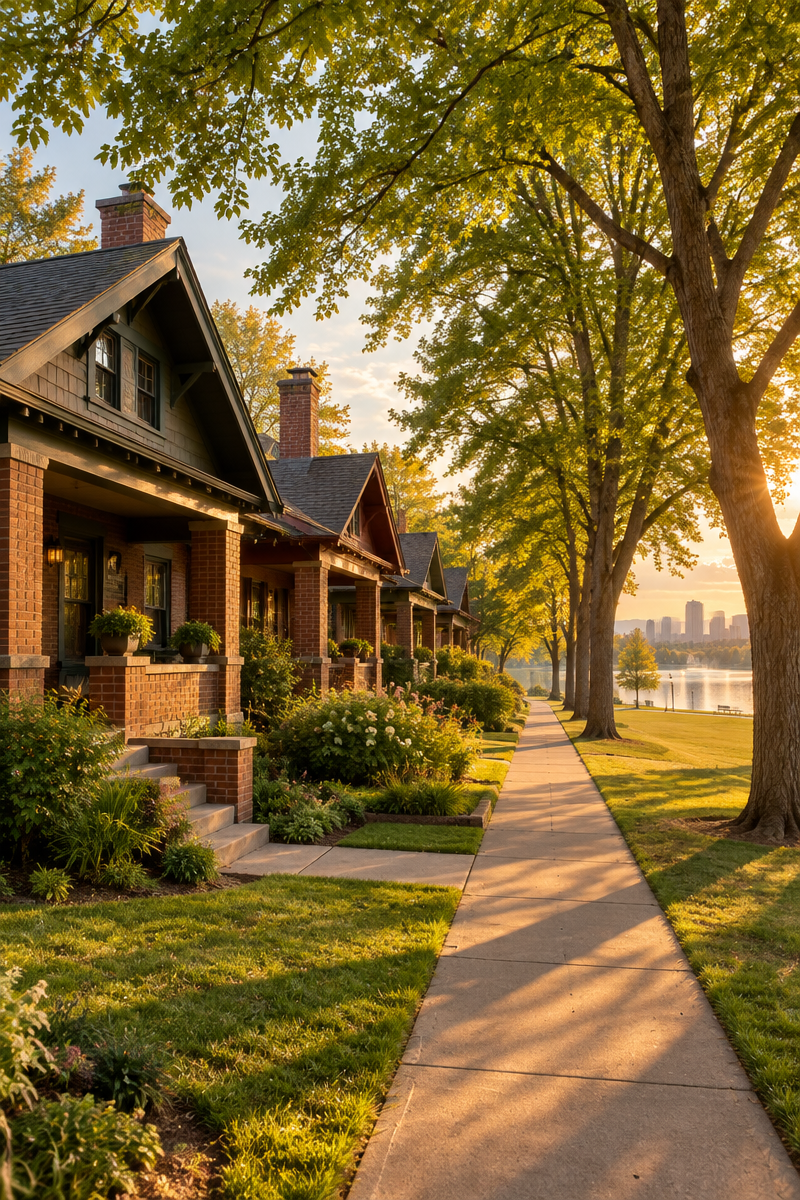
City Park is known for older Denver housing stock, including historic homes, brick residences, condos, and smaller-scale multifamily buildings. Architectural variety and block-by-block character are part of what give the neighborhood its appeal.
Compared with newer neighborhoods, City Park feels more layered and less uniform. Buyers are often deciding between historic charm, central access, and the realities that come with older housing and more urban block patterns.
Market snapshot
City Park Market Snapshot
City Park attracts buyers who want central Denver access, architectural character, and a lifestyle shaped by proximity to the park, museums, and nearby neighborhood districts. It often appeals to buyers who value place and personality more than newer finishes or larger suburban-style lots.
Median sale price
Ask Laura for the current figure
Days on market
Ask Laura for the current figure
List-to-sale ratio
Ask Laura for the current figure
Year-over-year movement
Ask Laura for the current figure
Reporting period
Ask Laura for the current figure
Source
Ask Laura for the current figure
Everyday City Park
Restaurants, Coffee, Shopping & Everyday Conveniences
Strong access to multiple city districts
City Park benefits from proximity to neighborhood dining, coffee, and retail in several directions. Buyers often like that they can plug into different parts of central Denver instead of relying on one commercial corridor.
A more urban daily rhythm
This is usually a better fit for buyers who enjoy a more city-centered lifestyle and are comfortable with a little more activity and movement around them.
Convenience with personality
City Park’s everyday appeal is less about suburban efficiency and more about being surrounded by established city amenities and neighborhood destinations.
Around the neighborhood
Parks, Recreation & Outdoor Access
The park is the headline feature
City Park is one of Denver’s true signature outdoor amenities, and the neighborhood’s identity is inseparable from it. The park, museums, trails, lake, and open views give the area a lifestyle advantage that is hard to replicate elsewhere in the city.
Outdoor space changes the feel of the neighborhood
Even buyers who want central living often see City Park as a way to have a little more breathing room and a stronger visual anchor in their daily routine.
A unique mix of culture and recreation
Few neighborhoods pair park access with nearby museums and a classic central-city setting the way City Park does.
Buyer considerations
Schools & Family Considerations
City Park can work well for families who want a central location and value park access, culture, and established neighborhood character. Buyers usually need to evaluate exact school fit, housing type, and how much urban activity they want in daily life.
For some households, City Park feels like the perfect blend of city and neighborhood. For others, nearby areas with a quieter or newer layout may feel easier day to day.
Getting around
Commute, Access & Location
Very strong central positioning
City Park is attractive to buyers who want easier access to downtown, hospitals, cultural institutions, and multiple parts of central Denver. Its location is one of its biggest strengths.
Better for city-oriented routines
Buyers who want to live close to work, museums, restaurants, or central destinations often find City Park especially compelling.
What buyers should know
Because it is a more established urban neighborhood, parking, older housing systems, and block-specific feel matter more here than they do in a newer planned neighborhood.
Comparing nearby areas
City Park Compared With Nearby Denver Neighborhoods
City Park and Park Hill
Park Hill often feels more purely residential and more house-driven, while City Park tends to feel more central, more mixed, and more directly tied to the park and cultural institutions.
City Park and Cheesman Park
Both attract buyers who want older architecture and strong central access, but City Park’s identity is shaped more by the park, museums, and broader east-central location.
City Park and Central Park
Central Park tends to appeal to buyers who want newer homes and a more planned layout, while City Park appeals more to buyers who want historic housing and classic central Denver character.
Common questions
City Park FAQs
Browse Active City Park Listings
See what is available in City Park right now, and let Laura help you weigh the options in person.
Browse Active City Park ListingsConnect With Laura
Ask Laura about your City Park home search, goals, and next steps.